Loading...

AI & IoT-Driven Visiting Faculty Management: Use Cases & Business Impact

Automated platform for seamless coordination of visiting faculty schedules, Integrating Artificial Intelligence (AI) and the Internet of Things (IoT) into visiting faculty management systems enhances operational efficiency, ensures compliance, and improves the overall academic experience. These technologies streamline scheduling, attendance tracking, and performance monitoring, addressing the unique challenges posed by temporary faculty appointments
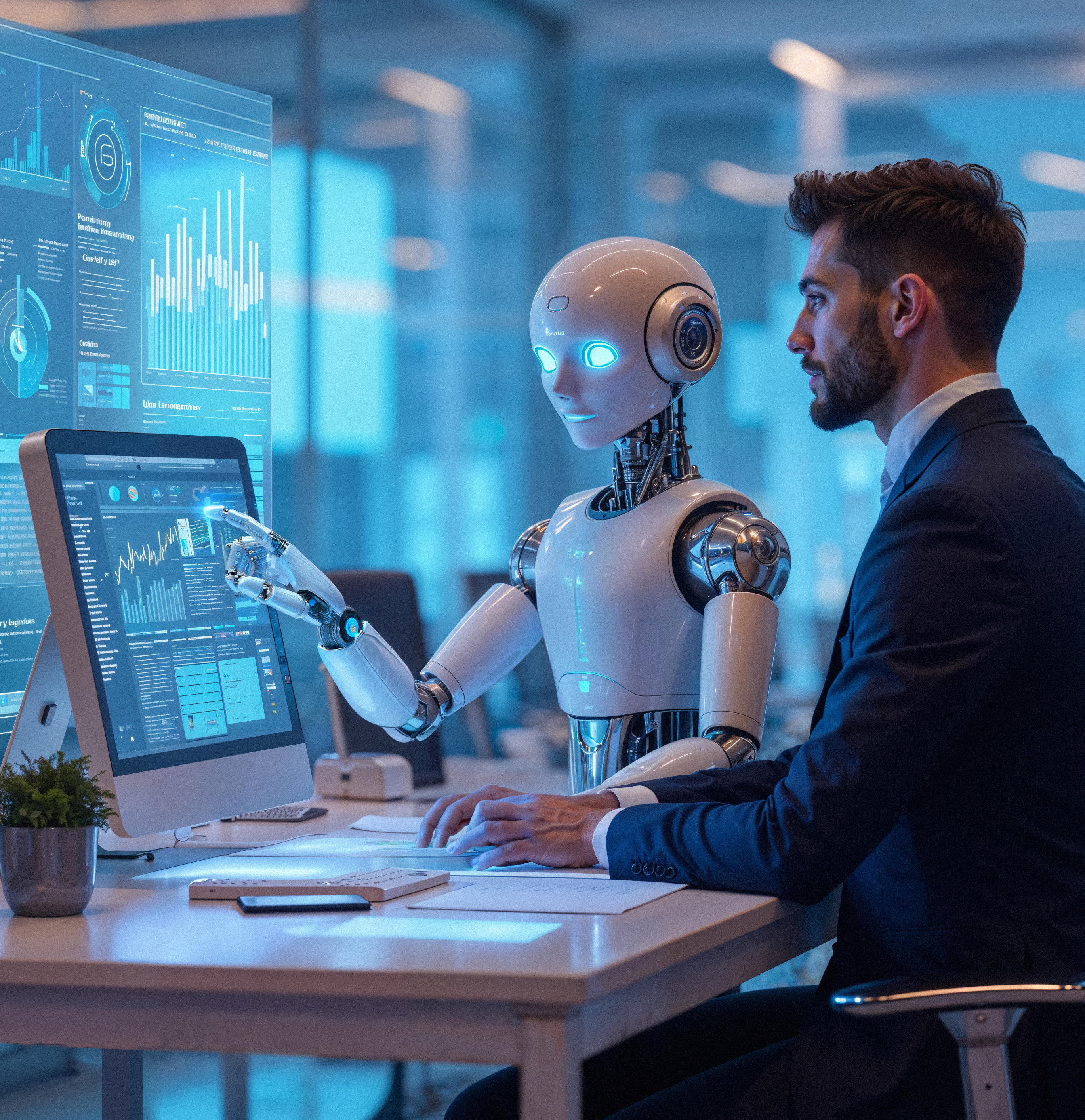

AI Recruitment

Core Components

Key features for academic excellence

AI-Powered Scheduling Systems

Automate the creation of optimal teaching schedules, considering faculty availability, expertise, and institutional requirements

IoT-Enabled Attendance Monitoring

Utilize RFID, facial recognition, or biometric systems to accurately track faculty attendance in real-time

Mobile Applications

Provide visiting faculty with access to schedules, teaching materials, and communication tools

Cloud-Based Dashboards

Offer administrators real-time insights into faculty performance, attendance, and feedback

Use Cases

Automated Scheduling and Resource Allocation

Description
AI algorithms analyze faculty availability, course requirements, and student needs to generate optimal teaching schedules.
Example
An AI-based system at a university automatically assigns visiting faculty to courses based on their expertise and availability, ensuring balanced workloads and efficient resource utilization
AI Scheduling
RFID Attendance

Real-Time Attendance Tracking

Description
IoT-enabled systems monitor faculty attendance through RFID or facial recognition, ensuring accurate and timely records.
Example
A university implements a facial recognition-based attendance system, reducing administrative overhead and ensuring compliance with institutional policies.

Performance Monitoring and Feedback

Description
AI analyzes student feedback, class participation, and assessment results to evaluate faculty performance.
Example
An AI-driven dashboard aggregates student feedback and assessment data to provide administrators with insights into faculty effectiveness, facilitating targeted professional development.
Faculty Analytics
FacultyApp

Mobile Access for Visiting Faculty

Description
Mobile applications provide visiting faculty with access to schedules, teaching materials, and communication tools.
Example
A mobile app allows visiting faculty to view their teaching schedules, access course materials, and communicate with students and administrators, enhancing flexibility and engagement.

Conclusion

AI and IoT technologies offer transformative solutions for managing visiting faculty, addressing the unique challenges of temporary appointments. By leveraging these technologies, educational institutions can enhance operational efficiency, ensure compliance, and improve the overall academic experience for both faculty and students.
SmartFaculty

Business Impact

EduAutomation

Operational Efficiency

Automated scheduling and attendance tracking reduce administrative workload, allowing staff to focus on strategic initiatives

 ComplianceMonitoring

Compliance Assurance

Real-time monitoring ensures adherence to institutional policies and regulatory requirements.

FacultyEngagement

Enhanced Faculty Engagement

Mobile access to resources and communication tools fosters a more connected and engaged visiting faculty.

AI Faculty Analytics

Data-Driven Decision Making

AI analytics provide actionable insights into faculty performance, informing professional development and resource allocation.

Ready to Modernize Faculty Management?

Discover how our system can transform your academic administration efficiency.

schedule Consultation