Loading...

AI & IoT-Driven Sustainability in Facilities Management: Use Cases & Business Impact

Integrating Artificial Intelligence (AI) and the Internet of Things (IoT) into facilities management enhances sustainability efforts by optimizing energy consumption, reducing waste, and improving operational efficiency. These technologies enable real-time monitoring, predictive analytics, and automated controls, leading to more sustainable and cost-effective building operations.

Smart Sustainability

IoT Sensors

IoT Sensors

Monitor environmental parameters such as temperature, humidity, occupancy, and energy usage

AI Analytics

Analyze data to identify patterns, predict maintenance needs, and optimize resource allocation

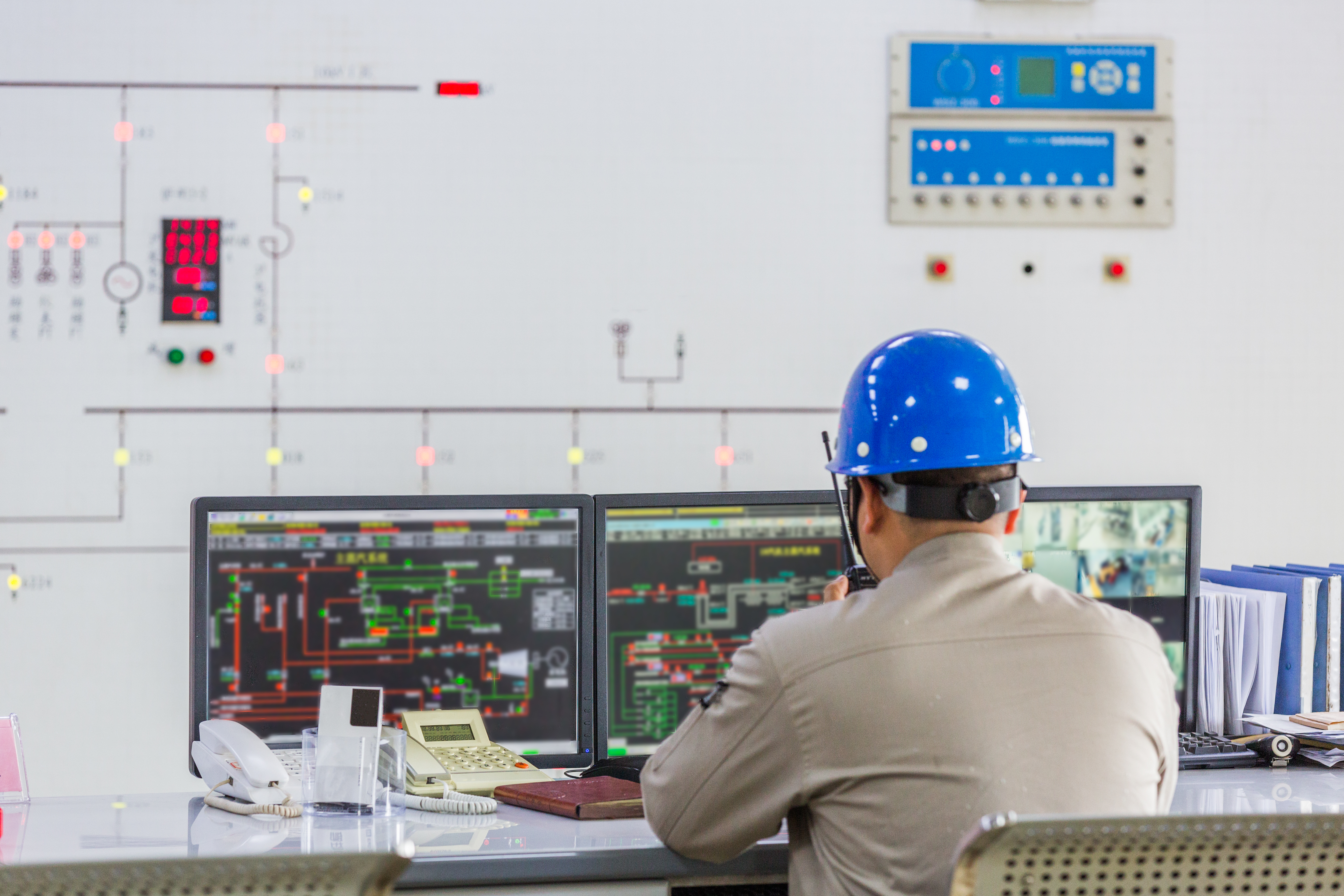
Building Management Systems (BMS)

Integrate various building systems (HVAC, lighting, security) for centralized control and monitoring

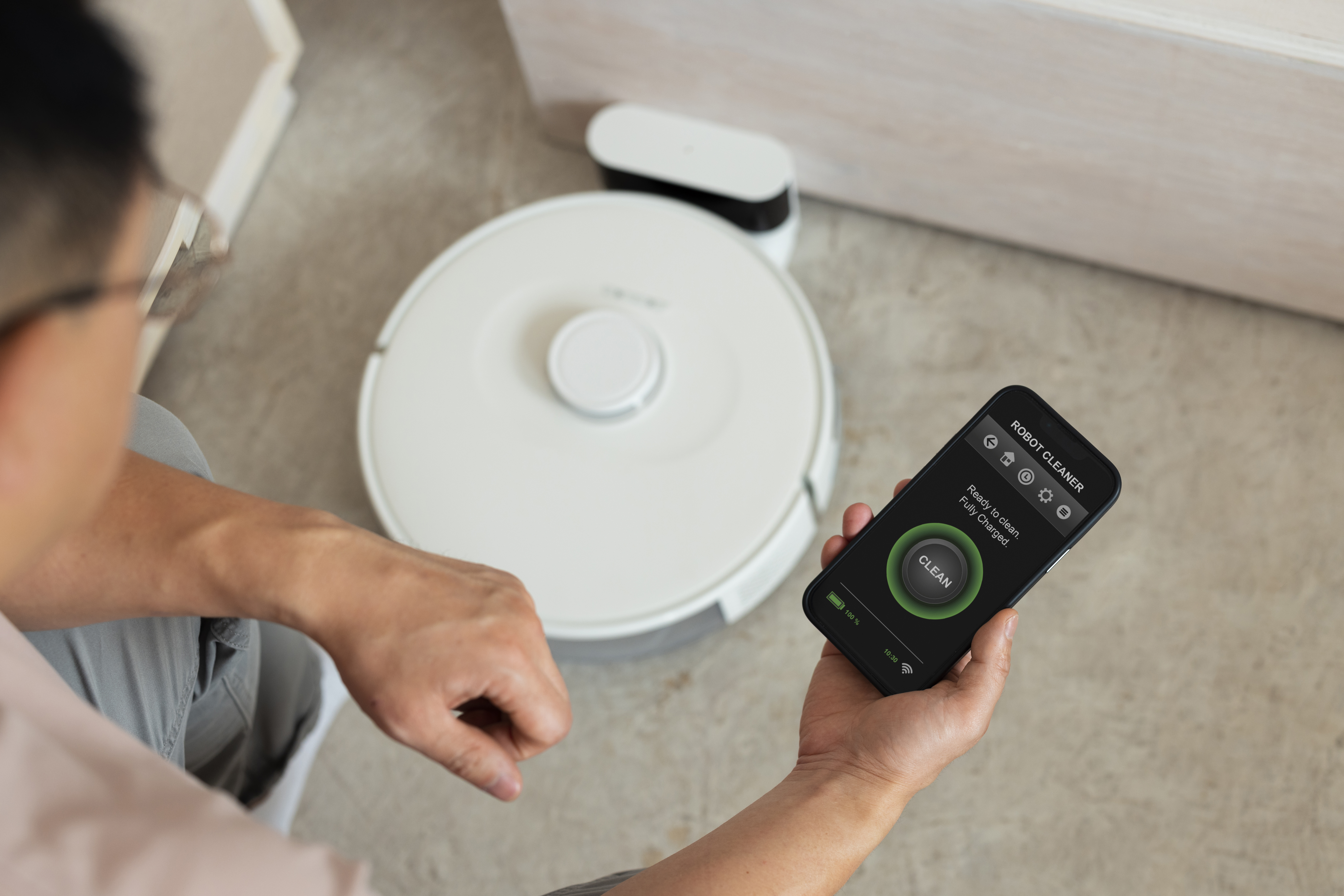
Mobile Applications

Provide facility managers with real-time data and control capabilities

Use Cases

Smart Lighting Systems

Description
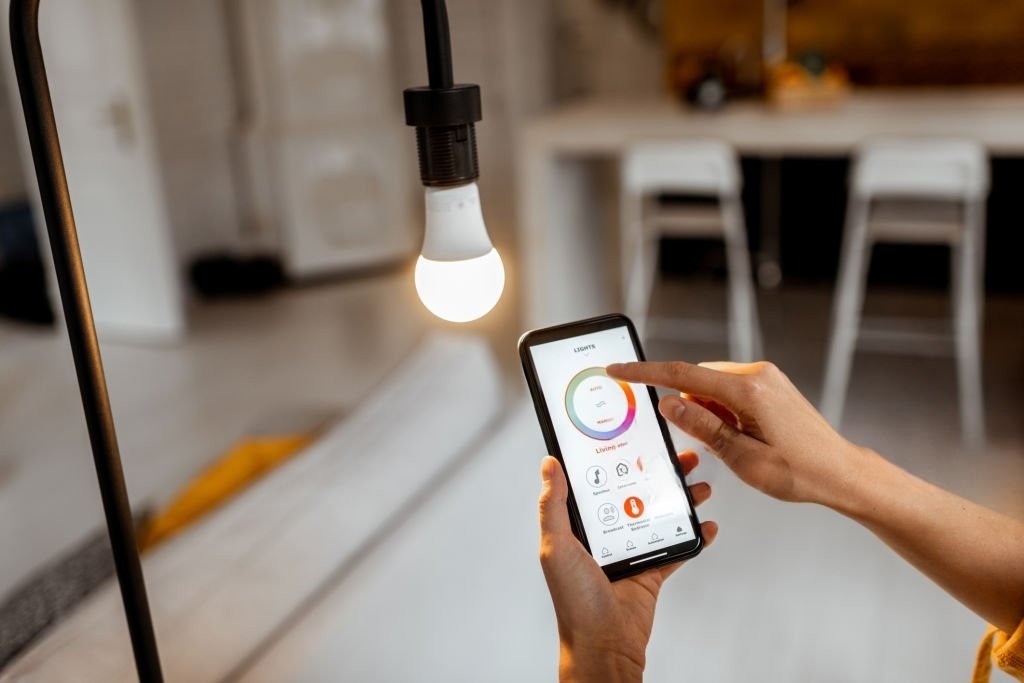
IoT-enabled smart lighting adjusts illumination based on occupancy and natural light levels, reducing energy consumption.
Example
Smart LED lights use nearly 50% less electricity than traditional bulbs and last more than eight times as long. Adding intelligence to these LEDs can achieve up to 99% energy cost savings
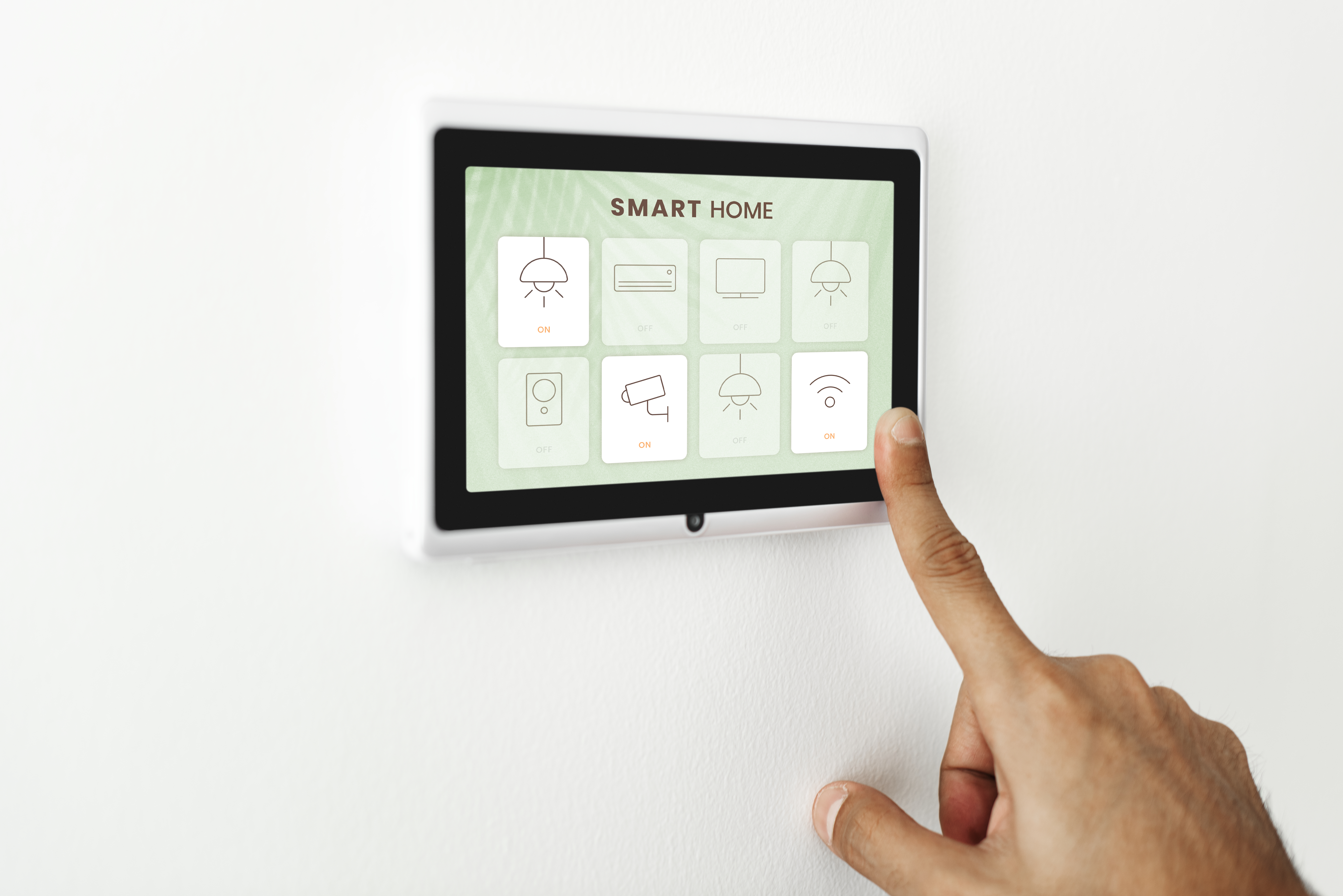
Smart Lighting
Smart HVAC

Intelligent HVAC Controls

Description
AI-powered HVAC systems optimize heating, ventilation, and air conditioning based on real-time occupancy and environmental data.
Example
Intelligent HVAC systems powered by IoT consistently gather and analyze data to monitor indoor temperature, humidity, and occupancy, automatically adjusting settings to match real-time conditions.

Energy Consumption Monitoring

Description
IoT sensors track energy usage patterns, enabling facility managers to identify inefficiencies and implement corrective actions.
Example
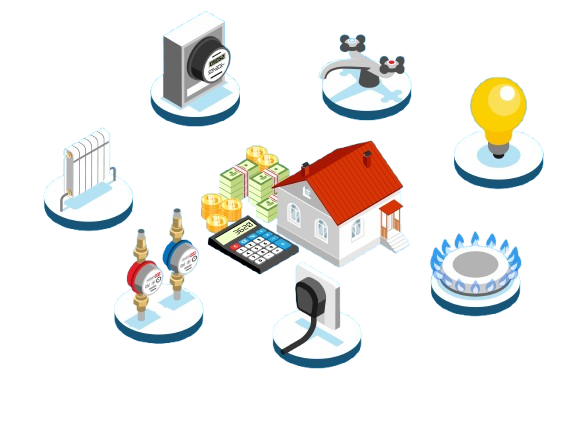
Smart meters and IoT sensors track energy consumption patterns, helping facility managers identify inefficiencies and implement corrective measures.
Smart-Energy
Smart Water Leak Detection

Water Leak Detection

Description
IoT sensors detect water leaks in real-time, preventing damage and conserving water resources.
Example
IoT-enabled water leak detection systems identify leakages in real time using sensors positioned in key locations like pipes, floors, and basements, alerting building management to avert potential damage.

Predictive Maintenance

Description
AI analyzes data from equipment sensors to predict maintenance needs, reducing downtime and extending asset life.
Example
Connected sensors monitor equipment performance and detect anomalies, alerting facility managers before a failure occurs, thereby reducing maintenance costs and minimizing disruptions.
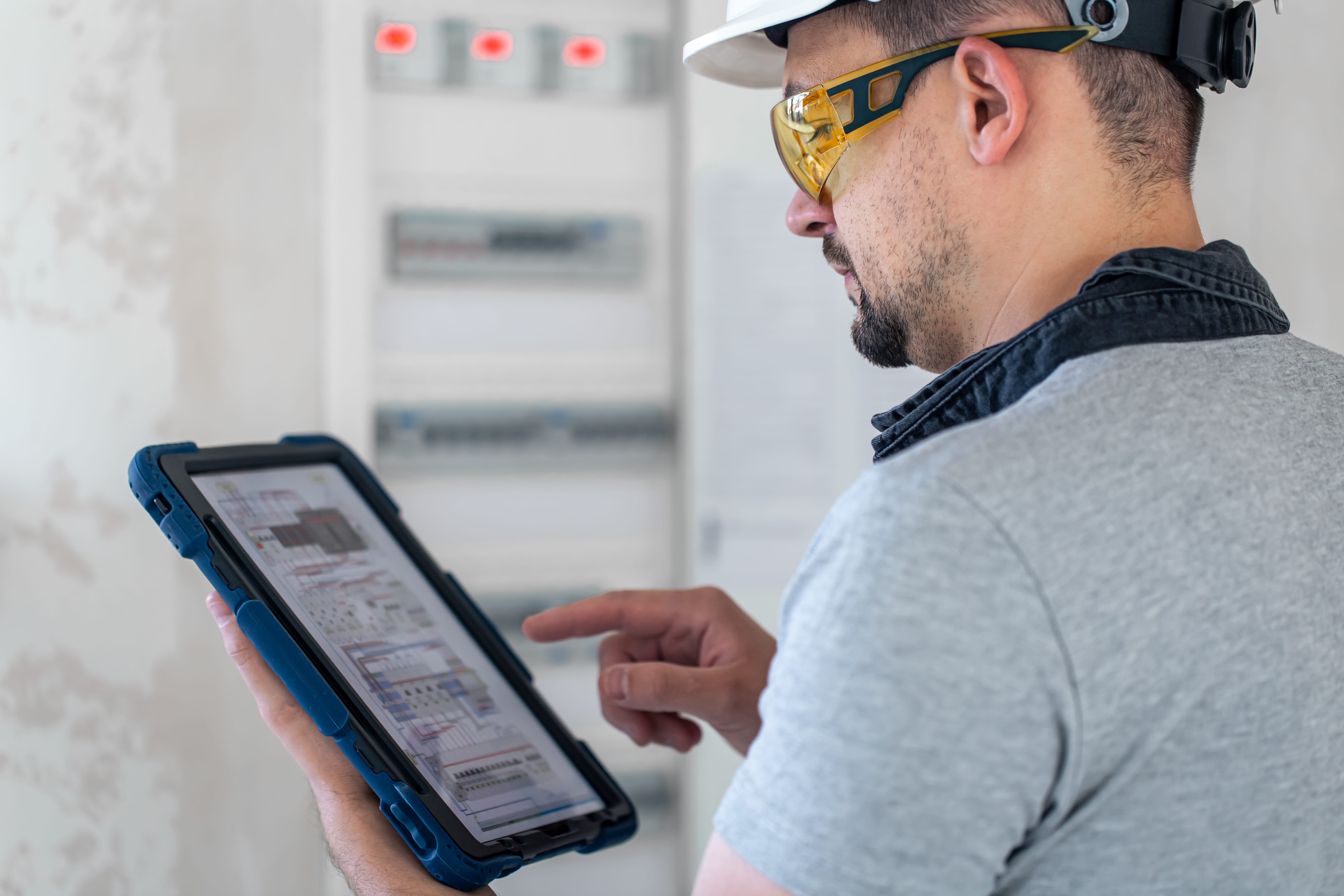
IoTMaintenance
IAQ Monitoring

Indoor Air Quality Monitoring

Description
IoT sensors monitor air quality parameters, ensuring a healthy indoor environment and optimizing HVAC operations.
Example
Smart sensors monitor air quality metrics ranging from carbon dioxide (CO₂) to temperature and humidity, automatically adjusting ventilation to maintain optimal conditions.

Integration of Renewable Energy Sources

Description
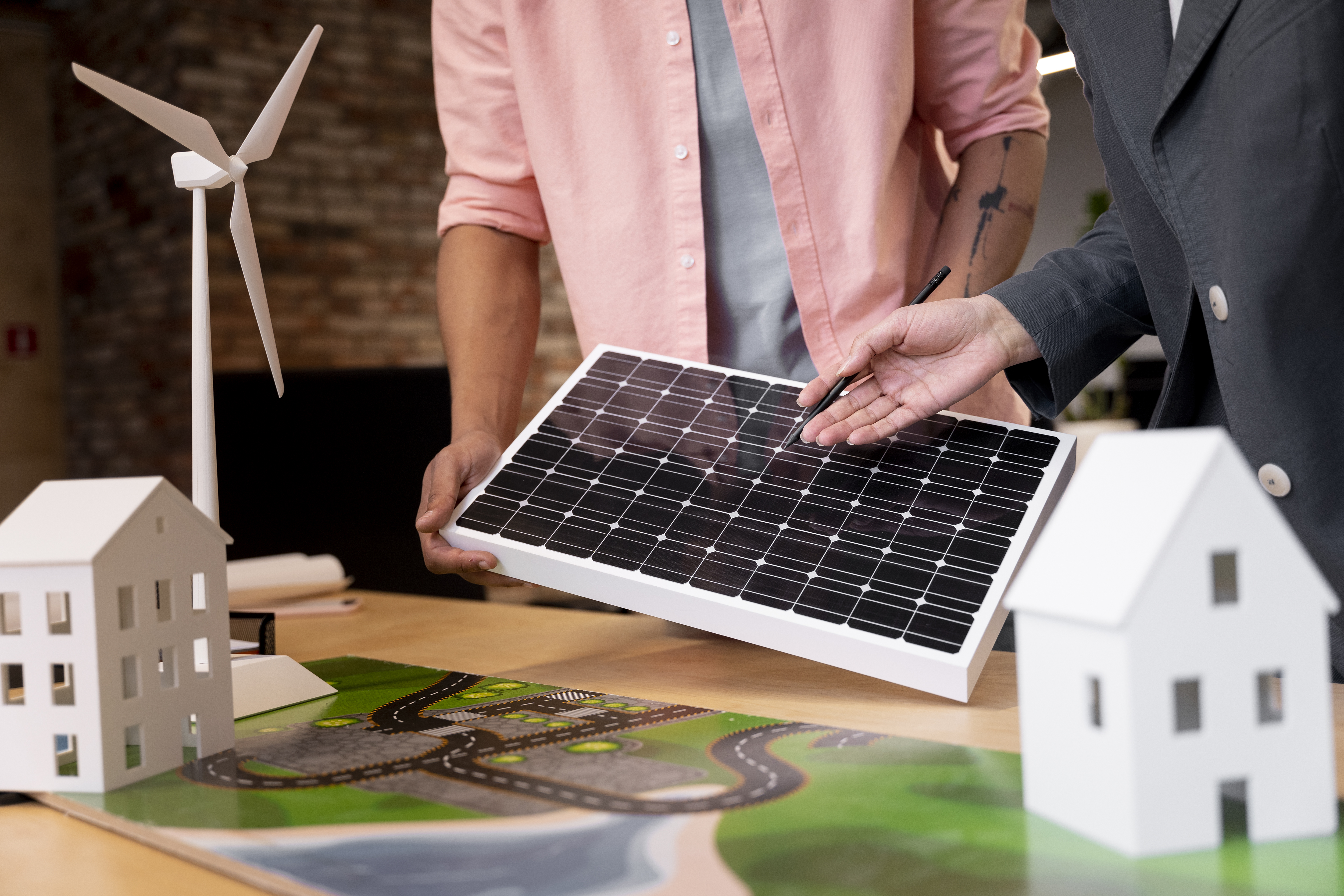
IoT devices facilitate the integration of renewable energy systems, such as solar panels, into building operations.
Example
Solar panels equipped with IoT sensors monitor energy generation and consumption, allowing for real-time adjustments and maximizing the use of clean energy.
Smart Solar
AI Biometric Attendance

Conclusion

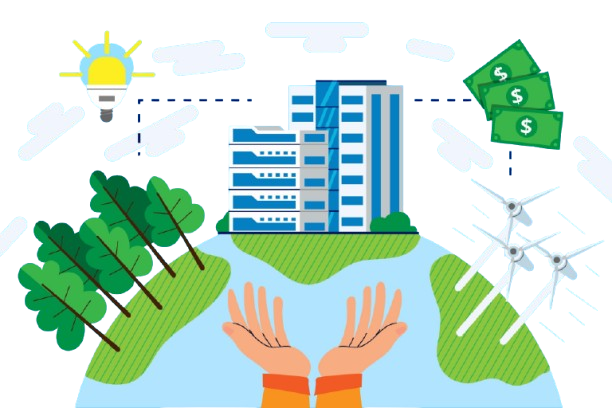
The integration of AI and IoT in facilities management not only enhances operational efficiency but also plays a pivotal role in advancing sustainability initiatives. By leveraging real-time data and predictive analytics, organizations can optimize resource usage, reduce environmental impact, and achieve significant cost savings. These technologies are essential for building smarter, more sustainable environments.

Business Impact

Energy Optimization

Cost Savings

Optimized energy usage and predictive maintenance reduce operational costs

 Green Building

Sustainability Goals

Achieving certifications like LEED through improved energy performance.

AutomationEfficiency

Operational Efficiency

Automated systems reduce manual interventions and downtime.

Environmental Compliance Monitoring

Regulatory Compliance

Ensuring adherence to environmental regulations through real-time monitoring.

Ready to Enhance Workforce Management?

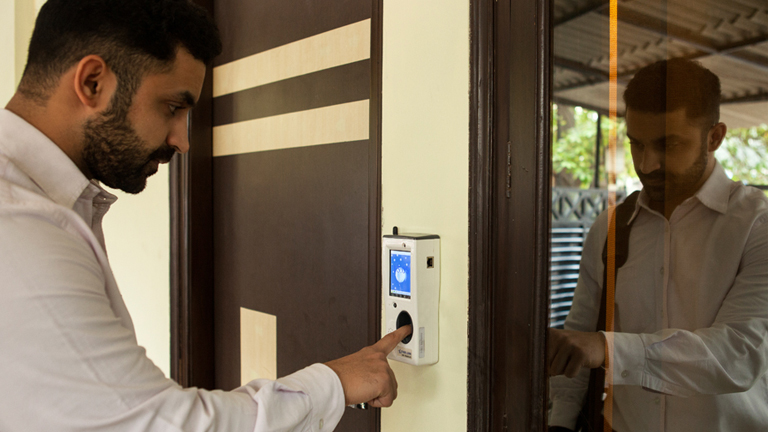
Schedule a demo to see how our Biometric Attendance system can improve your organization’s efficiency.

Request a Demo