Loading...

AI & IoT-Driven Material Inward Tracking Systems: Use Cases & Business Impact

Integrating Artificial Intelligence (AI) and the Internet of Things (IoT) into Material Inward Tracking Systems enhances supply chain visibility, optimizes inventory management, and ensures timely material availability. These technologies enable real-time monitoring, predictive analytics, and automated decision-making, leading to improved operational efficiency and reduced costs

Contact Us
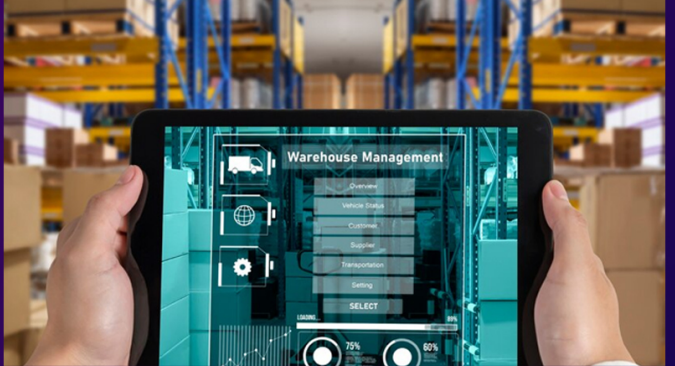
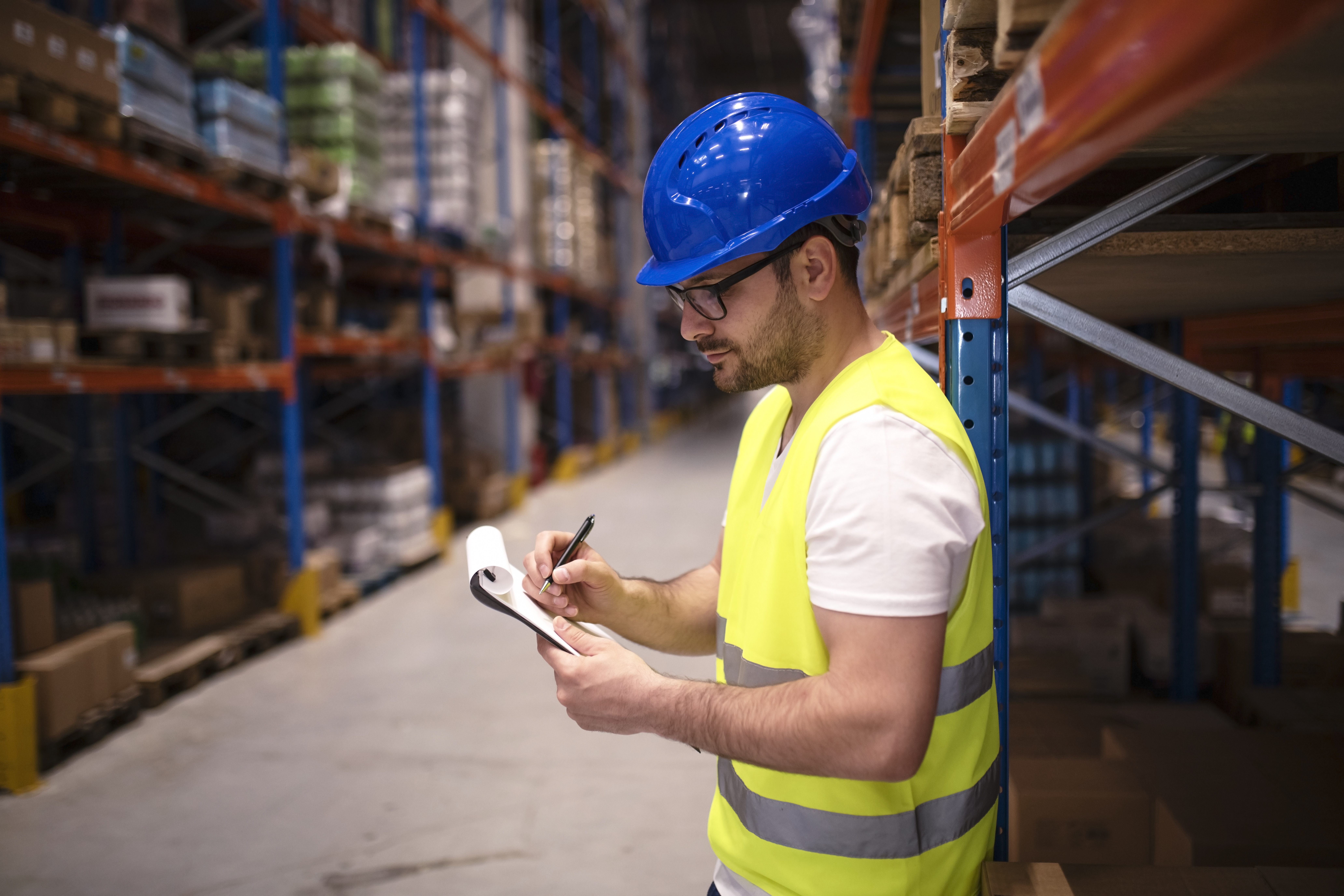
MITS Dashboard

Key Components

IoT Sensors & RFID Tags

Enable real-time tracking of materials as they move through the supply chain.

AI Algorithms

Analyze data to predict material shortages, optimize stock levels, and identify potential disruptions.

Cloud Platforms

Provide centralized access to data, facilitating collaboration and decision-making across departments.

Use Cases

Real-Time Material Tracking

Description
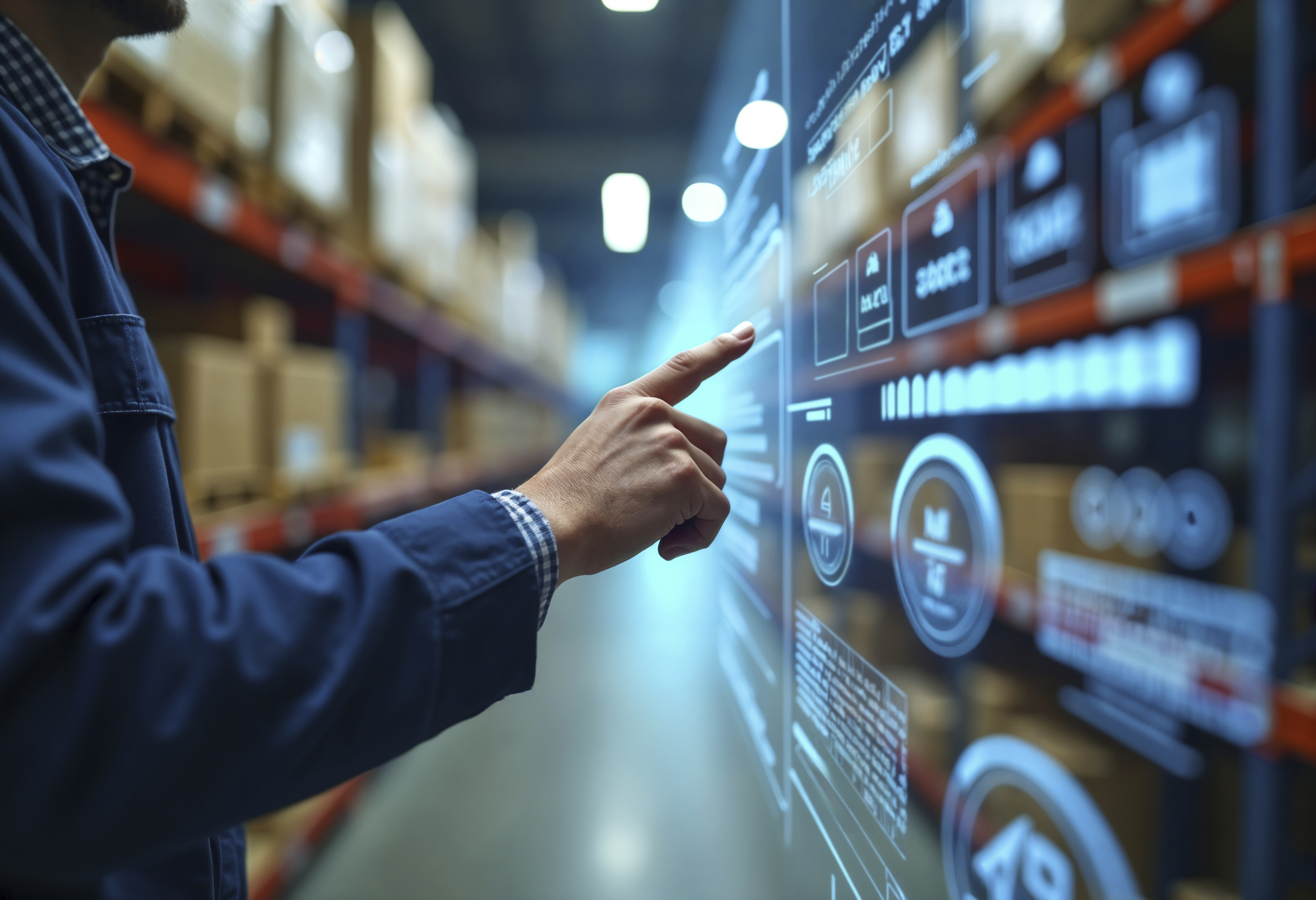
IoT devices like RFID tags and GPS trackers monitor the movement of materials from suppliers to warehouses and production lines.
Benefits
  •  Enhanced visibility of material status and location
  •   Reduced risk of stockouts and overstock situations
  •   Improved coordination between procurement, logistics, and      production teams
SupplySense
DemandForecasting

Predictive Inventory Management

Description
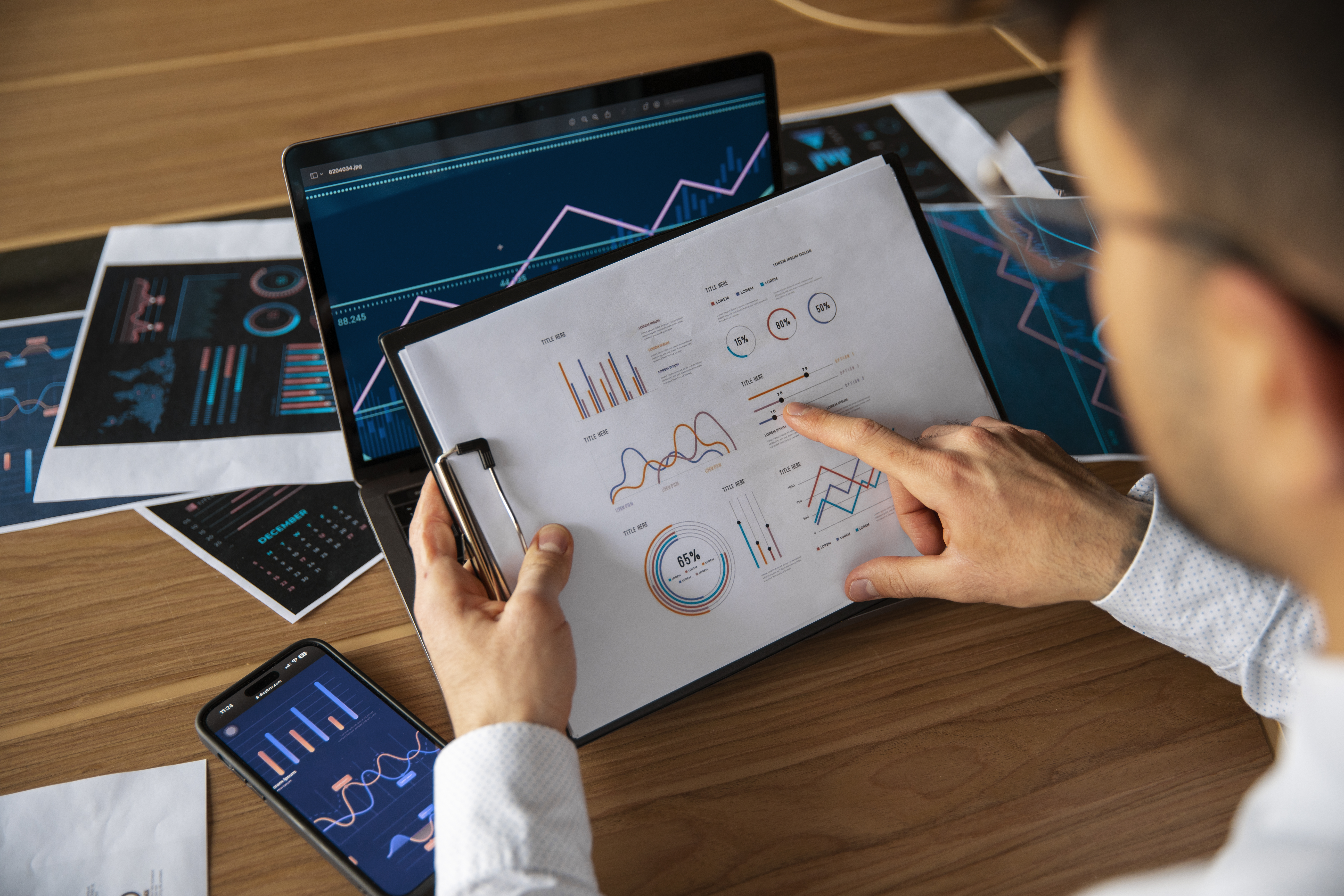
AI algorithms analyze historical data and real-time inputs to forecast material demand and optimize reorder points.
Benefits
  •  Minimized inventory holding costs
  •   Ensured timely availability of materials for production
  •   Reduced waste and obsolescence of materials

Automated Quality Inspection

Description
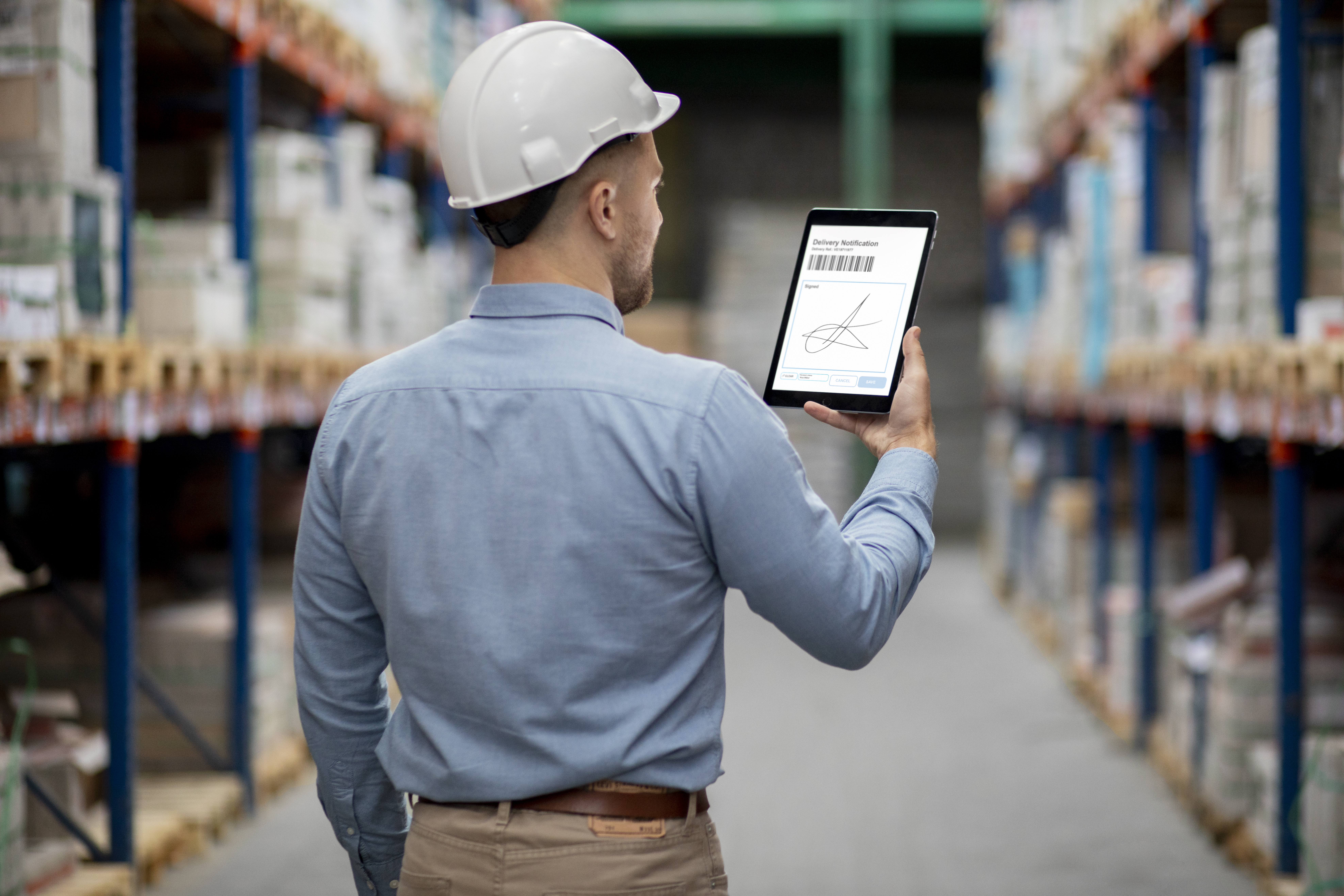
AI-powered computer vision systems inspect incoming materials for defects or non-conformance.
Benefits
  •  Early detection of quality issues
  •   Reduced manual inspection efforts
  •   Improved product quality and compliance
Automated Defect Detection
Supplier Evaluation

Supplier Performance Monitoring

Description
AI analyzes data from various sources to assess supplier reliability, delivery performance, and quality metrics.
Benefits
  •  Informed decision-making in supplier selection and management
  •   Identification of potential risks in the supply chain
  •   Enhanced collaboration with high-performing suppliers

Conclusion

The integration of AI and IoT into Material Inward Tracking Systems transforms traditional supply chain operations into intelligent, responsive, and efficient processes. By leveraging real-time data and advanced analytics, businesses can achieve greater control over their material flows, leading to improved performance and competitiveness in the market.
Smart Logistics

Business Impact

Lean Management

Cost Reduction

Optimized inventory levels and reduced waste lead to significant cost savings.

 Process Automation

Operational Efficiency

Streamlined material handling and quality inspection processes enhance overall productivity.

Supply Chain Risk Management

Risk Mitigation

Proactive identification of supply chain disruptions allows for timely interventions.

Supply Chain Risk Management

Sustainability

Efficient use of materials and resources contributes to environmental sustainability goals.

Transform Your Material Management

Ready to experience next-generation tracking and analytics?

Get Started Today