Loading...

AI & IoT-Driven Electricity Bill Analytics: Use Cases & Business Impact

Integrating Artificial Intelligence (AI) and the Internet of Things (IoT) into electricity bill analytics enhances energy management by providing real-time insights, predictive capabilities, and automation. These technologies enable consumers and utilities to optimize energy consumption, detect anomalies, and reduce costs.
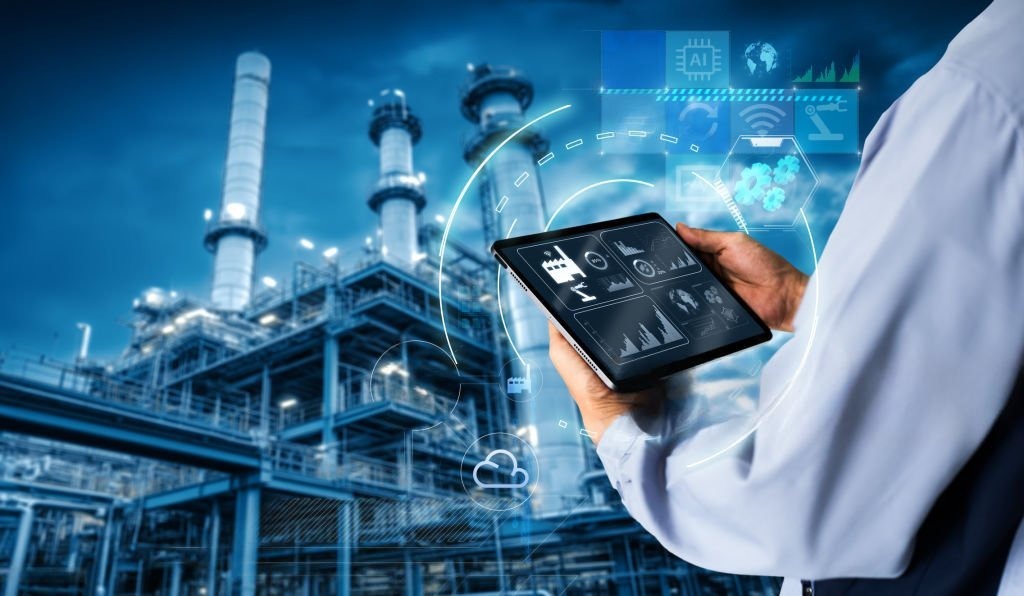
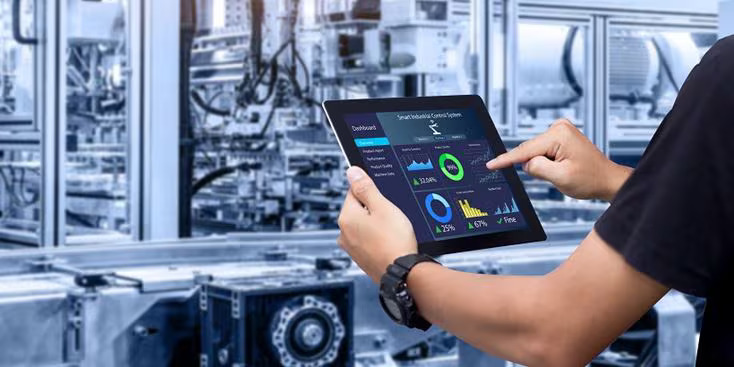
Energy analytics

Core Components

Smart Meters

Devices that record electricity consumption in real-time and transmit data for analysis

AI Algorithms

Machine learning models that analyze consumption patterns, predict future usage, and detect anomalies

IoT Sensors

Devices that monitor environmental factors affecting energy usage, such as temperature and occupancy

Cloud Platforms

Systems that aggregate data from various sources for centralized analysis and reporting

Use Cases

Real-Time Energy Monitoring

Description
IoT-enabled smart meters provide real-time data on electricity consumption, allowing users to monitor usage patterns and identify areas for improvement.
Example
A commercial building uses smart meters to track energy usage across different departments, identifying high-consumption areas and implementing energy-saving measures.
Smart Energy Monitoring
Energy Consumption Forecasting

Predictive Billing and Consumption Forecasting

Description
AI models detect unusual consumption patterns that may indicate anomalies or fraudulent activities, such as meter tampering or unauthorized usage.
Example
A residential user receives monthly forecasts of their electricity bill based on past usage patterns, allowing them to adjust habits and reduce costs.

Anomaly Detection and Fraud Prevention

Description
AI models detect unusual consumption patterns that may indicate anomalies or fraudulent activities, such as meter tampering or unauthorized usage.
Example
An energy provider identifies irregular consumption spikes in a neighborhood, investigating and preventing potential energy theft
Energy Theft Detection
IoT Energy Management

Demand Response and Load Management

Description
IoT systems enable utilities to manage electricity demand by adjusting usage during peak periods, reducing strain on the grid and lowering costs.
Example
A utility company remotely adjusts the air conditioning settings of participating commercial buildings during peak demand times to balance load and prevent outages.

Energy Efficiency Optimization

Description
AI analyzes energy usage data to identify inefficiencies and recommend improvements, such as upgrading equipment or changing usage patterns.
Example
An industrial facility implements AI-driven recommendations to replace outdated machinery, resulting in significant energy savings
AI energy management
Smart Energy

Conclusion

The integration of AI and IoT into electricity bill analytics transforms traditional energy management practices, offering real-time insights, predictive capabilities, and automation. These technologies empower consumers and utilities to optimize energy consumption, detect anomalies, and reduce costs, leading to a more sustainable and efficient energy ecosystem.

Business Impact

energy cost reduction

Cost Savings

By identifying inefficiencies and optimizing energy usage, businesses can significantly reduce electricity costs.

 real-time energy monitoring

Operational Efficiency

Automated monitoring and analysis streamline energy management processes, freeing up resources for other tasks.

Green IoT

Regulatory Compliance

AI and IoT systems help ensure adherence to energy regulations and sustainability goals.

customer satisfaction

Customer Satisfaction

Proactive billing and personalized recommendations enhance customer experience and trust.